Army
The Army is the largest of the four services and the one with the widest range of trades. It fights on land, and it also runs the hospitals, the supply rooms, the aviation maintenance shops and the military police units that keep a land force in the field. Since 1973 it has been an all-volunteer force. A soldier enters through basic training, then a specialty school, and the specialty can be anything from a rifle to a hospital ward.
The record’s first generation, 1977 to 1989, is the Army of the Cold War garrison. Divisions and corps were stationed in West Germany as part of NATO’s central front, and the hospitals and clinics that served the soldiers and families of the garrison were part of the same establishment. The Army trained its own medics at Fort Sam Houston, and the 91-series medical specialties covered the field medic, the practical nurse and the hospital specialties beside them. The work asked for a clinical standard and a field standard at the same time: wound care under fire and patient care on a ward.
The second generation, 1990 to 2000, is the drawdown. The Gulf War ended in February 1991, the Soviet Union dissolved that December, and the active Army lost more than 200,000 soldiers by the end of the decade. Bases closed, divisions came home, and the force that remained was sent to Somalia, Haiti, Bosnia and Kosovo in smaller numbers than the wars before it. The supply rooms and the hospitals were part of the same cut, and the work that remained was measured in the same documents: the requisition, the hand receipt, the property book, the patient record.
The third generation, 2001 to 2009, put the Army at war in Afghanistan and Iraq. Guard and Reserve units were mobilized for long tours, some units more than once, and the Army’s medical specialties were reengineered: beginning in October 2001, the 91-series became the 68-series, and the combat medic became the 68W health care specialist, with a longer course and an EMT certification. Aviation electronics, signals and security communications grew as the force ran on radios, networks and encrypted links. A soldier entering in 2006 entered a force organized around deployments, not around a garrison.
The fourth generation, 2010 to 2015, brought the end of the Iraq war and the drawdown in Afghanistan. The Army shrank again, and the Guard remained an operational reserve rather than a strategic one. Military police, aviation maintenance and the medical and supply trades stayed in the rotation.
The Army asks for a standard written down: the task, condition and standard of a specialty, the procedure behind a repair, the regulation behind a supply transaction. It asks for paperwork as much as for stamina. The difference between a 1977 enlistment and a 2020 commission is the difference between a garrison army and one organized around deployments, and the same records follow both.
The published record
Every published member who served in the Army, grouped by the generation in which their service began. A member who served in more than one branch appears on each branch’s page.
First Generation
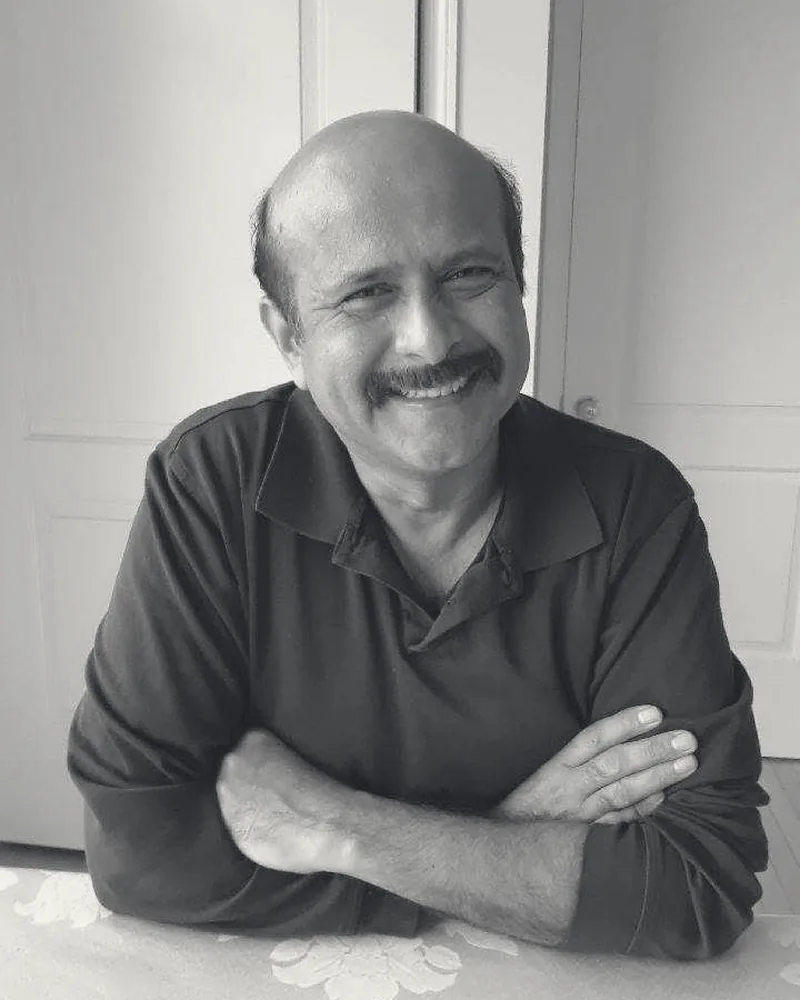
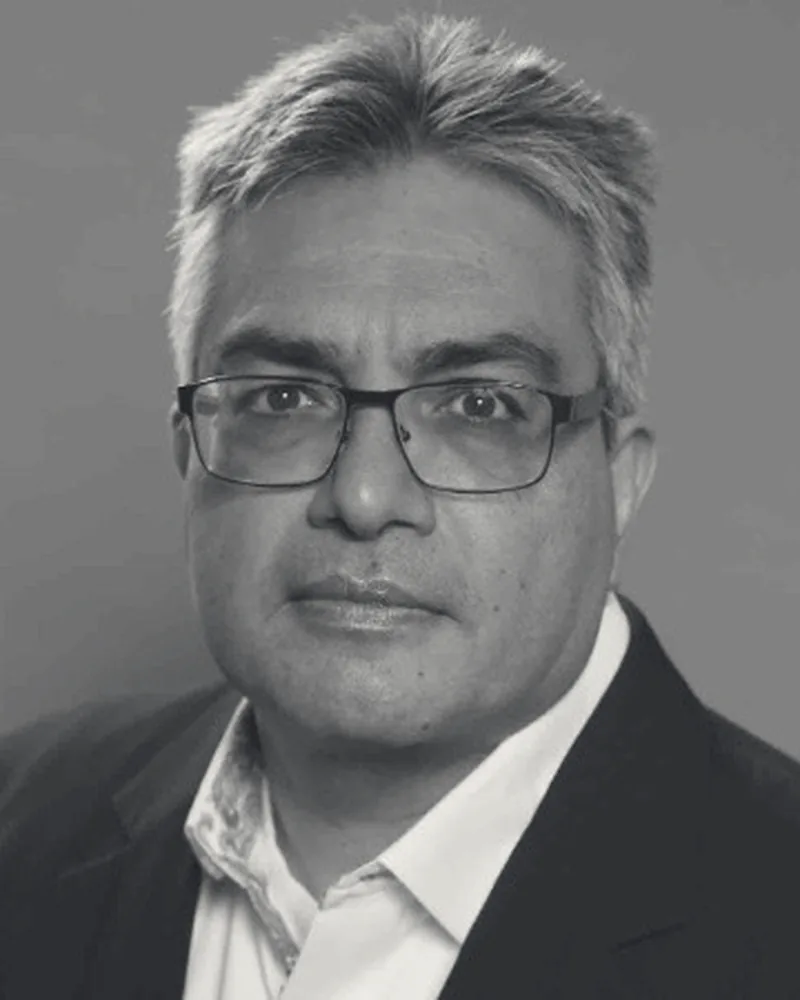

3 published portraits
Second Generation
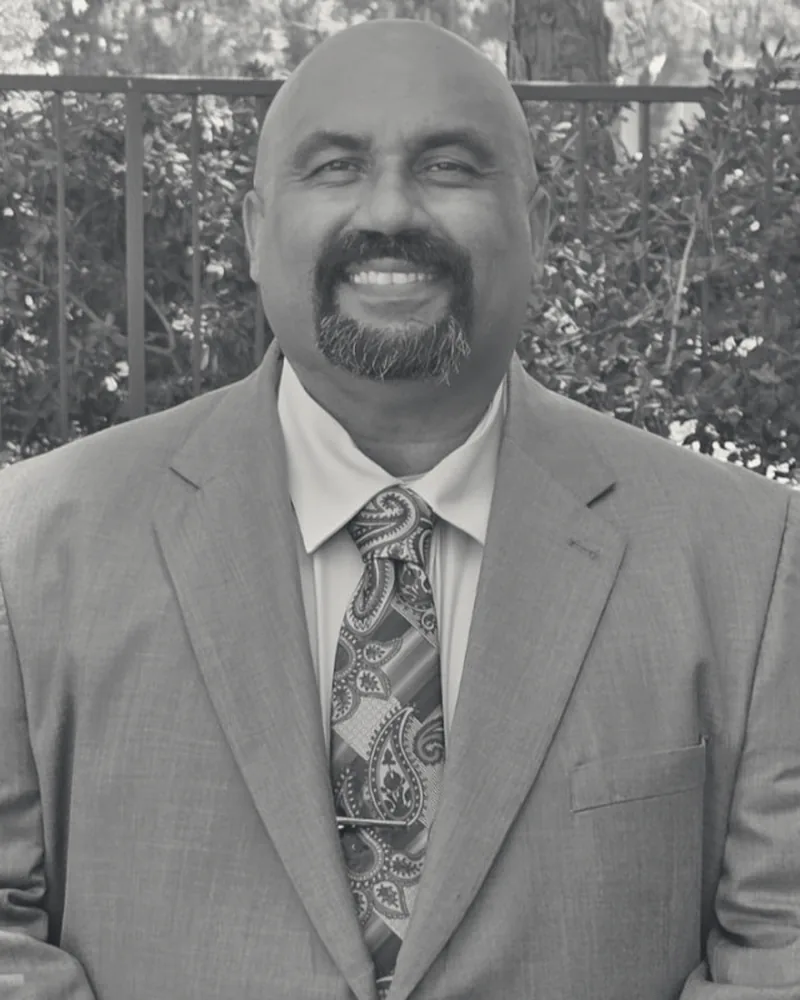
1 published portrait
Third Generation
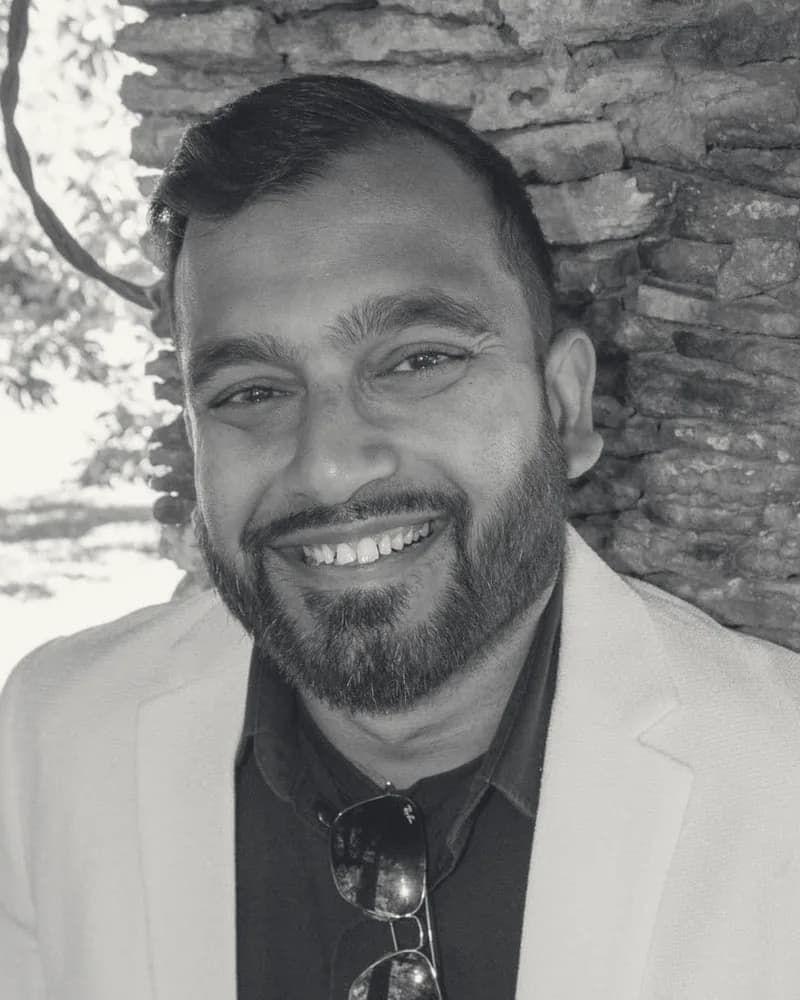
1 published portrait
Fourth Generation

1 published portrait
Fifth Generation
No published profile in this generation.
How to read the dates
- start withheld
- approximate
- service continuing